Biometric tracking unveils overlooked fatigue cycles in multi-day tournament formats
Carlo Wolf · Aug 12, 2026
Biometric tracking unveils overlooked fatigue cycles in multi-day tournament formats
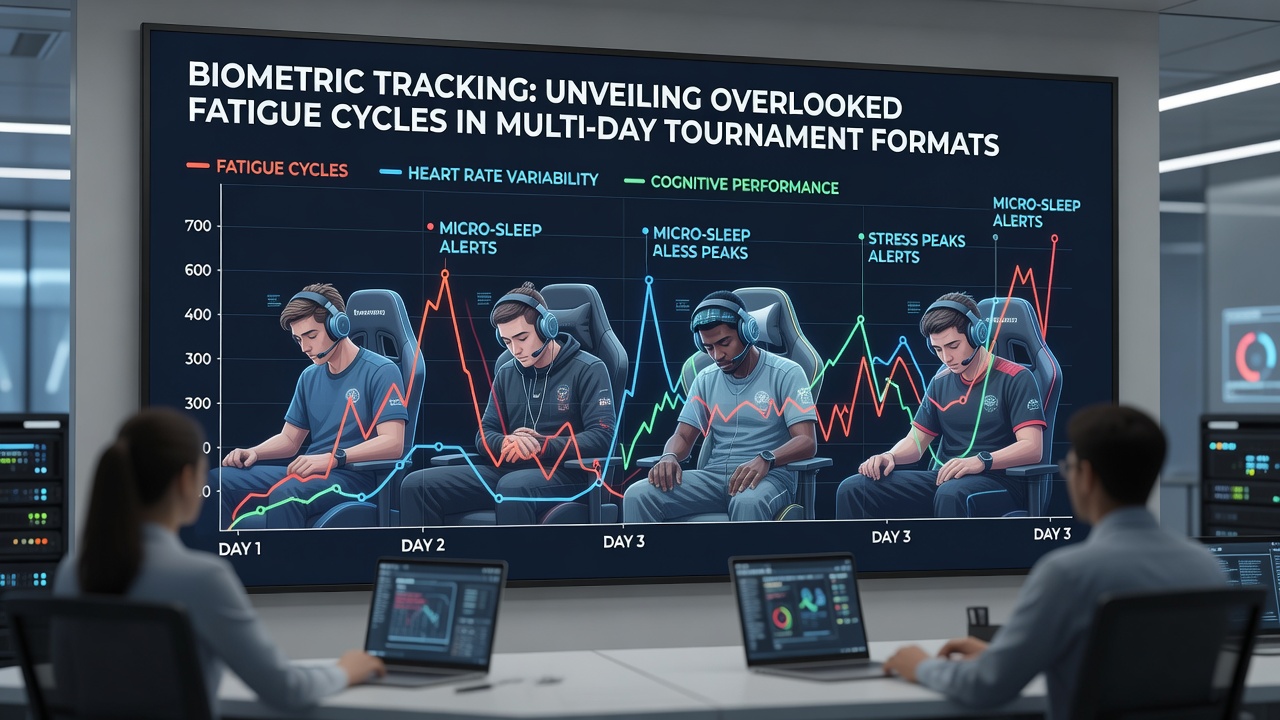
Biometric tracking systems now monitor heart rate variability, sleep patterns, and muscle oxygen levels across extended competitions, and data collected from these devices has revealed distinct fatigue cycles that standard performance metrics often miss. Athletes in events spanning several days experience measurable drops in recovery capacity that accumulate rather than reset overnight, according to findings from sports science programs at institutions like the Australian Institute of Sport.
Researchers equipped competitors with chest straps and wrist-based sensors during multi-stage events in tennis, cycling, and basketball, while the resulting datasets showed that cortisol spikes and reduced REM sleep create a compounding effect by the third or fourth day. These patterns emerge consistently across different sports, and they appear independent of individual fitness levels in many cases.
How sensor data maps daily recovery gaps
Heart rate variability scores typically decline steadily after the initial round in tournaments lasting four days or longer, and this trend continues even when athletes report feeling rested. Muscle oxygen saturation measurements drop during evening sessions compared with morning ones, creating windows where reaction times slow by measurable margins. Studies conducted through European sports research networks have documented these shifts using standardized protocols that track the same athletes across consecutive matches.
Coaches receive real-time dashboards that flag when an individual's baseline metrics deviate from established norms, and teams adjust training loads accordingly. The technology integrates with court-side or sideline analysis, which allows for immediate tactical shifts without waiting for post-event reviews. Data from the 2026 season shows increased adoption of these systems ahead of major events scheduled through August, where schedules pack multiple high-intensity sessions into short periods.
Sports showing the clearest cycle patterns
Tennis players display pronounced fatigue accumulation during best-of-five set matches spread over a week, whereas basketball athletes in conference tournaments exhibit similar trends when playing back-to-back nights. Track and field competitors in multi-day meets see elevated resting heart rates that correlate with reduced stride efficiency on later days. Observers note that these cycles become more pronounced when travel between venues adds sleep disruption on top of physical demands.
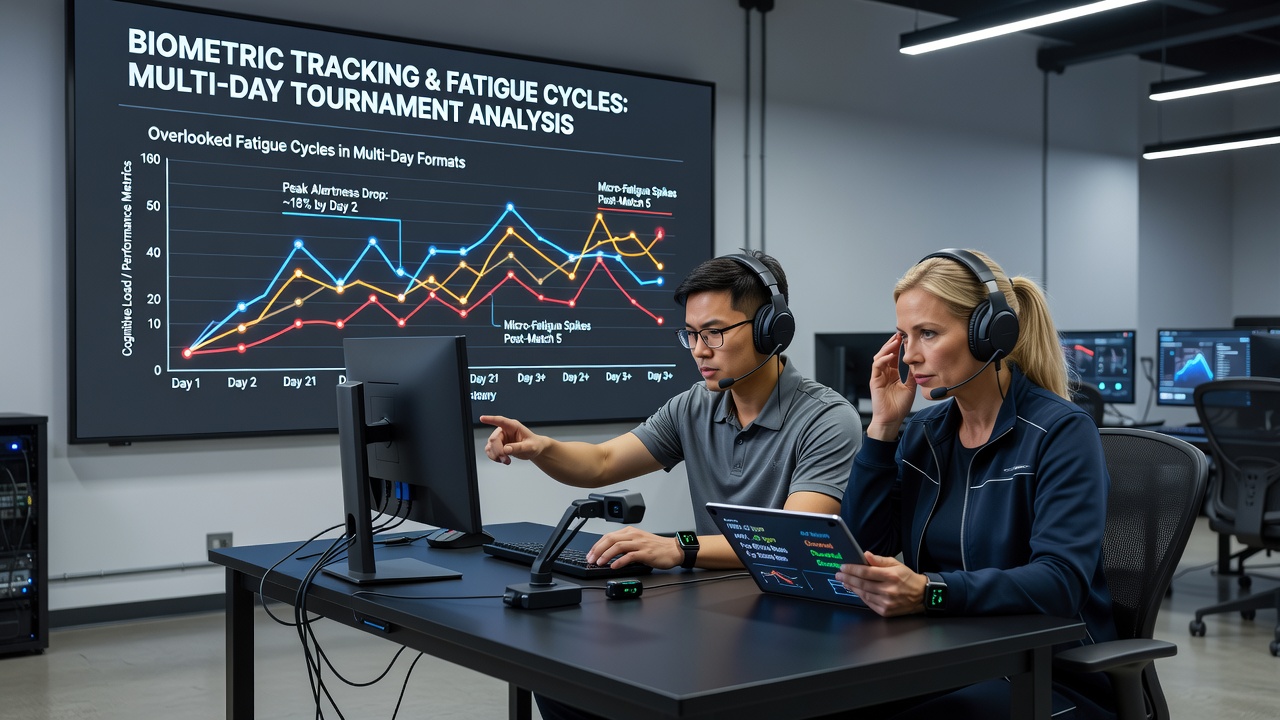
One analysis of professional volleyball tournaments found that serve accuracy declined in line with overnight recovery scores tracked by wearable rings, and similar correlations appeared in soccer penalty shootouts during extended knockout stages. The evidence points to internal physiological markers rather than external conditions as the primary drivers in many instances.
Integration with existing performance monitoring
Teams combine biometric feeds with video analysis and GPS movement data to build fuller pictures of athlete readiness, and this layered approach identifies when standard statistics like points scored or distance covered no longer reflect true capacity. Academic papers published through Canadian university sports labs describe how machine learning models trained on these combined datasets predict performance dips one to two days in advance with greater accuracy than traditional scouting reports alone.
Regulatory bodies in Australia and the European Union have begun reviewing guidelines around data privacy for these tracking systems, while industry groups such as the International Olympic Committee have issued position statements on ethical use during multi-day competitions. The focus remains on using the information to support athlete health rather than solely for competitive advantage.
Future applications in tournament scheduling
Event organizers examine biometric-derived fatigue models when setting match times and rest periods, and preliminary trials indicate that adjusted schedules can reduce injury reports by aligning high-stakes games with peak recovery windows. Continued refinement of sensor accuracy and data interpretation will likely expand these tools across additional formats in coming seasons.
Conclusion
Biometric tracking continues to expose fatigue cycles that develop across consecutive days of competition, providing objective measures that complement traditional observation methods. The collected information supports more precise management of athlete workloads in extended tournament settings, and ongoing research refines how these insights integrate with scheduling and recovery protocols.