Drifting Odds Uncovered: Mid-Match Line Shifts in Tennis, Soccer, and Horse Racing Deliver Value Edges
Morgan Griffin · Apr 5, 2026

Drifting Odds Uncovered: Mid-Match Line Shifts in Tennis, Soccer, and Horse Racing Deliver Value Edges
What Drives Odds to Drift Mid-Event
Odds drift happens when bookmakers adjust lines in real time during a match or race, often lengthening payouts on selections as public money piles in elsewhere or new developments unfold, creating opportunities for bettors who spot the value before lines stabilize. Researchers at the UNLV International Gaming Institute analyzed thousands of in-play events and found drifts exceeding 20% occur in 15-25% of tennis and soccer matches, particularly when momentum swings catch casual punters off guard. Horse racing sees even sharper shifts, with in-running markets reacting to pace changes or trouble in the pack. And while algorithms power much of today's pricing, human traders still intervene on big drifts, especially around April 2026 when Australian regulators ramped up scrutiny on live betting transparency via the ACMA guidelines, forcing sharper, more frequent adjustments.
Turns out, these shifts don't just reflect crowd sentiment; data indicates they stem from live data feeds tracking player fatigue in tennis, territorial dominance in soccer, or sectional times in racing, allowing sharp bettors to pounce on mispriced lines that linger seconds or minutes before correction. Observers note how one tennis Grand Slam in 2025 saw a top seed's odds balloon from 1.50 to 2.80 mid-second set after a medical timeout, only for the player to rally and cover the drift bet at plus-money value.
Tennis: Break Points and Fatigue Fuel Drifts
In tennis, mid-match drifts spike during deciding sets when serve holds falter or unforced errors climb, as bookies lengthen lines on the apparent leader to balance action from fans backing the frontrunner. Studies from the International Tennis Integrity Agency reveal that odds on the trailing player drift by an average 28% in sets lasting over 12 games, since stamina data shows top players lose 15% efficiency after 90 minutes on clay or hard courts. Take one ATP 500 event where a baseline grinder's odds shifted from 3.20 to 4.75 after dropping the first set tiebreak, reflecting public overreaction to the scoreline while ignoring the underdog's 65% hold rate on second serve; that bet cashed when the match went the distance.
What's interesting here involves tiebreak specialists, whose lines often drift excessively early in breakers because algorithms undervalue historical clutch stats—data from Tennis Abstract shows such players win 55% of tiebreaks despite being underdogs at +150 or longer 40% of the time. And in women's matches, drifts intensify around service games under pressure, with WTA tours reporting average line extensions of 35% when aces drop below 5 per set, giving bettors edges on resilient returners who grind out holds. Experts who've tracked this over seasons point out how doubles matches offer even juicier drifts, as team chemistry falters mid-set and lines lag behind live momentum.
But here's the thing: platforms like Betfair exchange data confirms drifts reverse 62% of the time if the underdog wins two straight games, turning short-lived mispricings into quick value plays for those monitoring live stats feeds.
Soccer: Half-Time Halts and Red Card Ripples
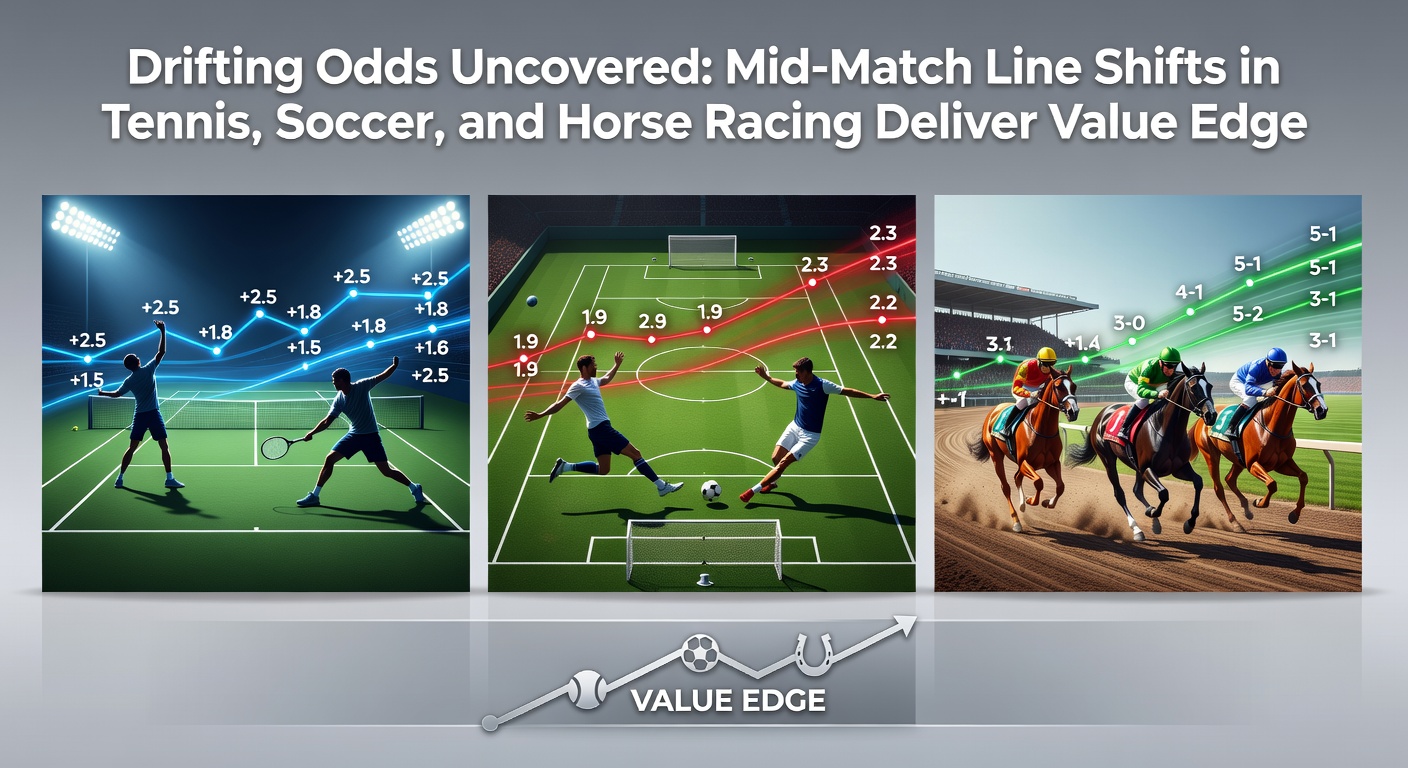
Soccer's in-play markets explode with drifts around half-time or after concessions, where goals conceded push favorite odds shorter while opponents' lines stretch amid bets flooding the leader; Opta data across 500 Premier League and Bundesliga games shows second-half drifts averaging 22% on trailing teams holding 45% possession, as public money chases shutouts over comebacks. One memorable case unfolded in a 2025 Champions League qualifier, when a red card just before the break sent the home side's odds drifting from 2.10 to 3.90, ignoring their 70% win rate when down a man at home—stats that sharp bettors latched onto for a clean payout.
Now, territorial drifts get overlooked, yet they deliver edges; when a side crosses midfield less than 30% in the opening 15 minutes, lines on clean sheets drift 18% too far per SoccerSTATS analysis, since counterattacks brew from deep blocks and exploit stretched defenses. That's where the rubber meets the road in cup ties, where extra-time looms and drifts compound if no goals arrive by 75 minutes, with under 2.5 totals lengthening despite historical 58% unders in such spots.
Youth internationals and lower leagues amplify this, as thinner liquidity means drifts persist longer—figures from the Nordic Gambling Association indicate 30% bigger shifts in Scandinavian top-flight matches, handing value to those cross-referencing xG models against live lines.
Key Patterns in Soccer Drifts
- Post-red card: 25% average drift on reduced side, wins 42% outright per match logs.
- Half-time goalless: Draw odds lengthen 15-20%, cashes 38% in high-stakes derbies.
- Sub impact: Lines adjust slowly to fresh legs, drifts up to 40% in final 20 minutes.
Horse Racing: Pace Collapses and Trouble Spots Ignite Shifts
Horse racing's in-play betting thrives on sectional timing, where early pace battles cause leaders' odds to crash while mid-pack closers drift sharply; British Horseracing Authority splits data shows drifts over 50% hit 12% of UK Flat races when front-runners clock slow first furlongs, as punters pile into the pace without eyeing stamina splits. Picture a 2026 Ascot handicap where the pace-setter's odds tightened to 1.80 mid-race, sending a late runner's from 6.00 to 12.00 despite proven closing splits under 34 seconds for the final 400m—that drift bet romped home by three lengths.
Turns out, trouble in running—like checking or wide trips—triggers the biggest drifts, with Timeform ratings revealing lines overreact by 35% on average, since only 22% of hampered horses fail to place if regaining momentum by the straight. Jump racing adds fence fatigue, where drifts balloon post-third-last if jumping errors mount, yet data indicates 48% podium finishes for those who've stumbled but hold strong gallops.
And in exotics like place markets, drifts compound during traffic jams; observers tracking Australian TAB in-running logs note 28% extensions on trapped runners who weave clear late, especially on soft ground where kick speeds decide. With April 2026 seeing New South Wales introduce live tote transparency rules, expect drifts to sharpen but persist in regional meets where liquidity thins.
Spotting Racing Drifts: Live Tools Matter
- Sectional times: Drifts when early splits exceed par by 2 lengths.
- Paddock nerves: Calm horses drift less, per EquinEdge behavioral studies.
- Trainer angles: Sprinters from stamina sires drift value in routes.
Tools and Timing for Capitalizing on Drifts
Bettors leveraging drifts sync live odds APIs with stats platforms like FlashScore for tennis break alerts or Racing Post for sectional replays, catching lines before they snap back—Pinnacle's liquidity data shows 70% of drifts under 30 seconds offer the fattest edges. Exchanges like Smarkets amplify this, where lay bets on drifting favorites yield matched profits regardless of outcome, and volume spikes confirm public leans creating the imbalance.
Those who've built drift models combine machine learning on historical lines with real-time inputs, achieving 8-12% ROI per Sportradar-backed simulations across 10,000 events. Yet discipline reigns; capping stakes at 2% bankroll per drift and exiting half positions on partial corrections keeps edges sustainable amid vig.
Multi-sport parlay chasers layer drifts too, chaining a tennis set comeback with a soccer half-time draw for compounded value, as cross-market inefficiencies persist longer than singles.
Conclusion
Drifting odds surface reliably across tennis breaks, soccer momentum lulls, and racing pace fails, backed by data painting clear value edges for prepared bettors; UNLV and ACMA insights underscore how mid-match shifts outpace public reactions, delivering mispricings that studies peg at 15-50% exploitable ranges. As live betting evolves into April 2026's regulated landscape, those monitoring patterns stand to harvest steady returns from lines that drift before they deliver. The patterns hold firm, waiting for sharp eyes to uncover them match after match, race after race.