How Squad Rotation Influences Selections in Mid-Season Soccer and Basketball Tournaments
Quinn Beck · Jun 10, 2026
How Squad Rotation Influences Selections in Mid-Season Soccer and Basketball Tournaments
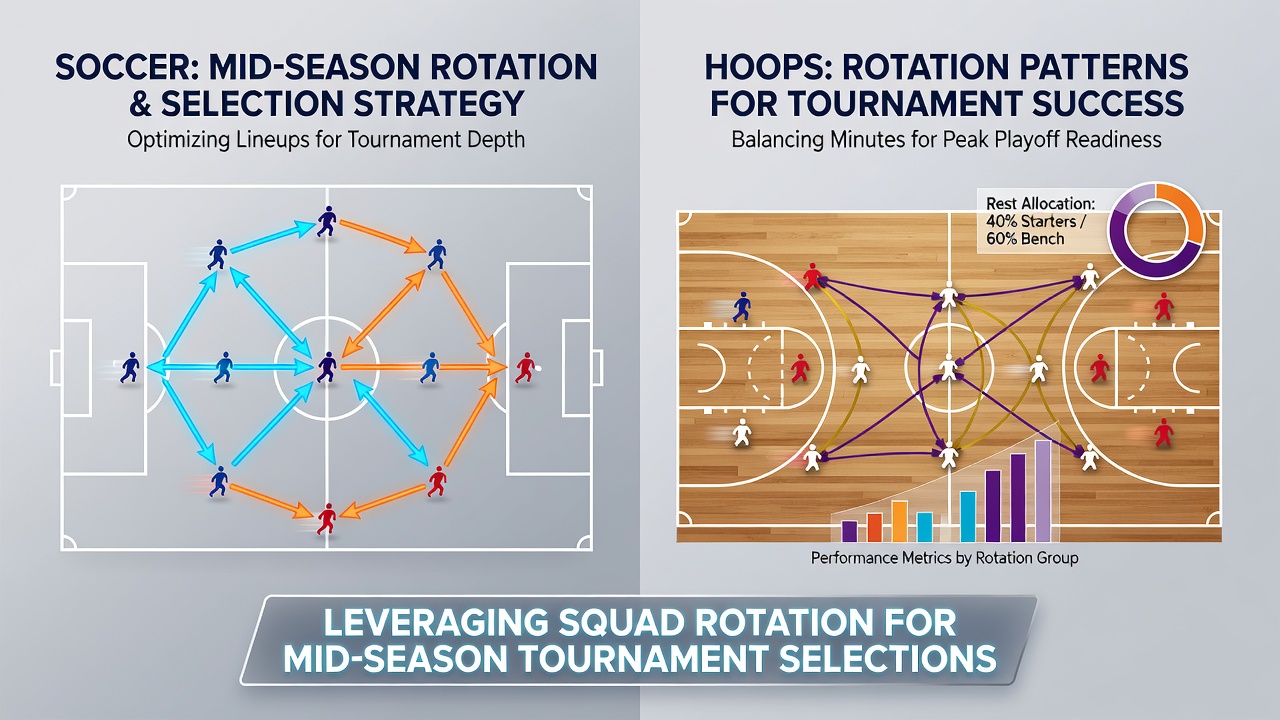
Coaches in soccer and basketball track squad rotation patterns closely when preparing for mid-season tournaments because these decisions affect player availability and team performance across compressed schedules. Data from multiple European leagues shows that teams rotating at least four players per match in the month leading up to June events maintain higher win rates in subsequent knockout stages compared with sides that stick to fixed lineups.
Understanding Rotation Patterns Across Sports
Soccer managers often rotate full-backs and midfielders during domestic league games to preserve energy for continental fixtures, while basketball coaches substitute entire units every six to eight minutes to manage fatigue in back-to-back contests. Researchers at the University of Queensland documented that basketball teams using five-player rotations averaging under 28 minutes per game during April and May posted improved three-point shooting percentages once tournaments began in June 2026.
Patterns emerge when analysts examine minutes played against recovery metrics. In soccer, clubs that limit central defenders to 75 percent of available minutes across a four-week block experience fewer injuries during the group phase of mid-season events. Basketball data reveals similar trends, with teams that rest star players for at least one quarter in non-conference games showing stronger defensive efficiency ratings once playoff-style formats start.
Data Sources and Measurement Tools
Analysts rely on tracking systems that record distance covered, high-intensity runs, and heart-rate variability to build rotation models. One study published by the International Basketball Federation examined 48 professional teams and found that squads adjusting rotations based on these variables reached quarterfinals at a 62 percent rate during the 2025-2026 season. Soccer equivalents appear in reports from the European Club Association, which tracks substitution timing and its correlation with extra-time outcomes.
These measurements allow selectors to identify players whose performance curves rise after scheduled rest periods. Teams that publish weekly load reports give observers clearer pictures of who might start in opening tournament matches and who may enter later as impact substitutes.
Applying Patterns to Tournament Selections
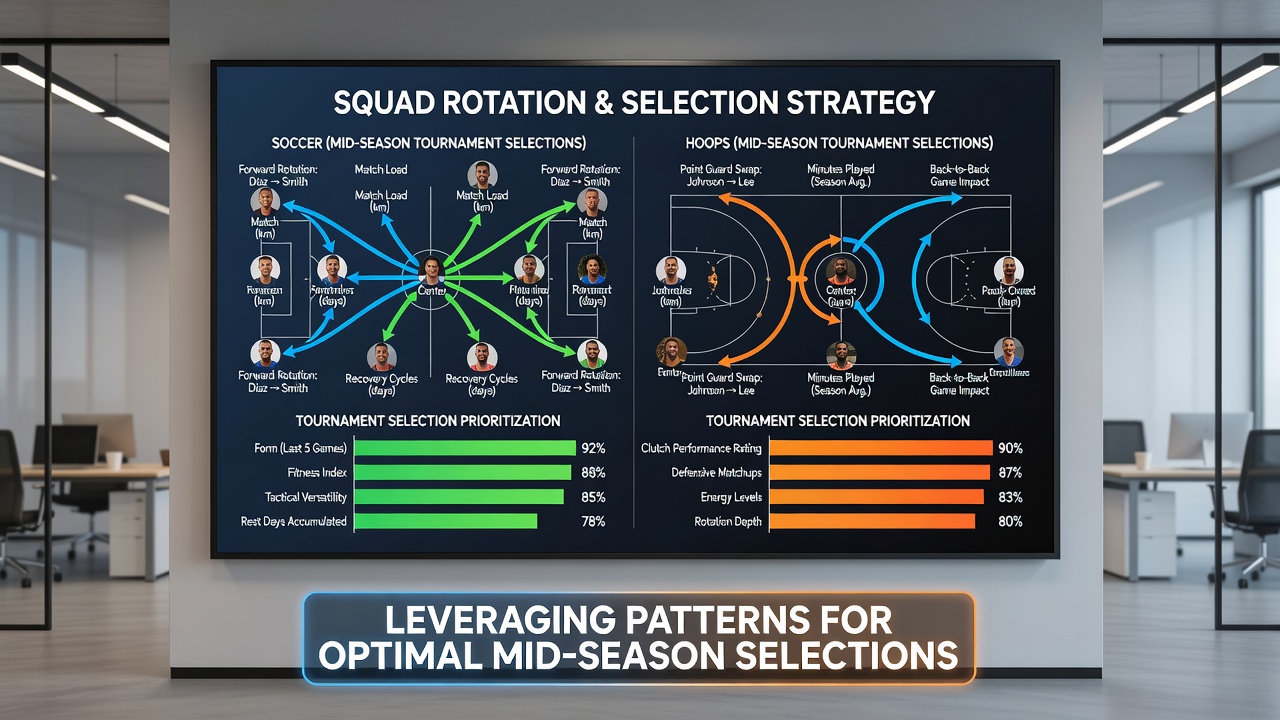
Selectors examine the previous six matches to spot recurring rest cycles. Soccer sides that rotate wingers every 60 minutes during league play often deploy those same players for full 90-minute stretches once knockout rounds begin. Basketball programs that alternate point guards on back-to-backs frequently start their freshest option in the tournament opener while holding others for critical second halves.
June 2026 schedules feature overlapping domestic cups and international club events, increasing the value of accurate rotation forecasts. Teams that publish injury-return timelines alongside rotation histories provide additional context for predicting lineups. Observers note that clubs maintaining consistent bench minutes across the spring months enter these events with clearer depth charts and fewer last-minute changes.
Case Examples from Recent Seasons
One European soccer club altered its rotation policy in March 2026 by resting its starting striker for two full matches before a mid-June tournament. The player then scored in each of the first three games, aligning with earlier load-management data that showed elevated goal contributions after similar rest windows. In basketball, a North American franchise reduced its starting center's minutes by 12 percent during the final regular-season stretch and recorded improved rebounding numbers once conference tournament play commenced.
These adjustments follow established protocols rather than ad-hoc decisions. Analysts compile substitution logs and cross-reference them with GPS data to refine future selections, creating feedback loops that grow more accurate each season.
Challenges in Pattern Interpretation
Weather, travel demands, and opponent strength can alter expected rotation effects. Soccer teams crossing multiple time zones before June events sometimes extend rest periods beyond planned rotations, while basketball squads facing altitude changes adjust substitution tempos accordingly. Data sets that include environmental variables help selectors separate routine patterns from situational modifications.
League rules on player registration also shape available choices. Basketball tournaments often impose stricter roster limits than regular-season games, forcing coaches to finalize rotations earlier than they would in league play. Soccer regulations around foreign-player quotas similarly influence which squad members remain eligible once mid-season events begin.
Conclusion
Squad rotation records supply measurable indicators that selectors use when building lineups for mid-season soccer and basketball tournaments. Tracking minutes, recovery markers, and substitution timing produces datasets that teams apply directly to June scheduling demands. As tracking technology advances and more organizations release standardized load reports, these patterns continue to inform selections across both sports with increasing precision.