Late Evening Fixtures Shape Scoring Trends in Basketball, Soccer and Equine Events
Morgan Griffin · Aug 5, 2026

Late Evening Fixtures Shape Scoring Trends in Basketball, Soccer and Equine Events
Researchers tracking professional leagues have documented consistent patterns where games and races scheduled after sunset produce measurable shifts in scoring and finishing times, patterns that data analysts monitor closely when reviewing historical records from multiple continents. Studies compiled by sports science departments at universities in North America and Europe show that circadian rhythm disruptions affect player endurance and decision speed once clocks pass 10 PM local time, leading to elevated possession counts in basketball and higher shot volumes that directly influence over/under markets. Similar timing effects appear in soccer fixtures played under floodlights, where fatigue accumulates faster in the second half and goal tallies rise accordingly, while equine events at tracks with evening cards reveal rail preferences that shorten sprint distances for inside runners.
Performance Data Across Nighttime Basketball Schedules
League records from the 2025-2026 seasons indicate that contests tipping off after 9:30 PM Eastern time average 4.2 more combined points than afternoon or early evening games, a difference tracked through official box score repositories maintained by major North American conferences. Analysts reviewing these figures note increased transition opportunities and reduced defensive efficiency once player rest cycles fall out of alignment with natural daylight patterns, trends that hold across both regular season and playoff dates. One dataset released by an Australian sports research institute cross-referenced similar late-start games in international competitions and found parallel rises in three-point attempts, confirming the pattern extends beyond single regions. Observers examining August 2026 schedules highlight several high-profile night doubleheaders already listed, events that will add fresh data points for those compiling long-term averages.
Goal Line Patterns in Floodlit Soccer Matches
European and South American match logs reveal that fixtures beginning after 8 PM local time generate an average of 0.35 additional goals per game compared with daytime equivalents, according to aggregated statistics from continental governing bodies. Fatigue markers collected via wearable technology show elevated heart rates and slower recovery between sprints in the final 30 minutes, conditions that open space for counterattacks and set-piece opportunities. Data compiled by Canadian athletic performance labs supports these observations, linking reduced reaction times among defenders to the later kickoff windows common in summer tournaments. Those reviewing fixture lists note several August 2026 evening slots already confirmed across major leagues, slots that will supply updated samples for ongoing trend verification.
Rail Positioning Advantages in Evening Equine Sprints
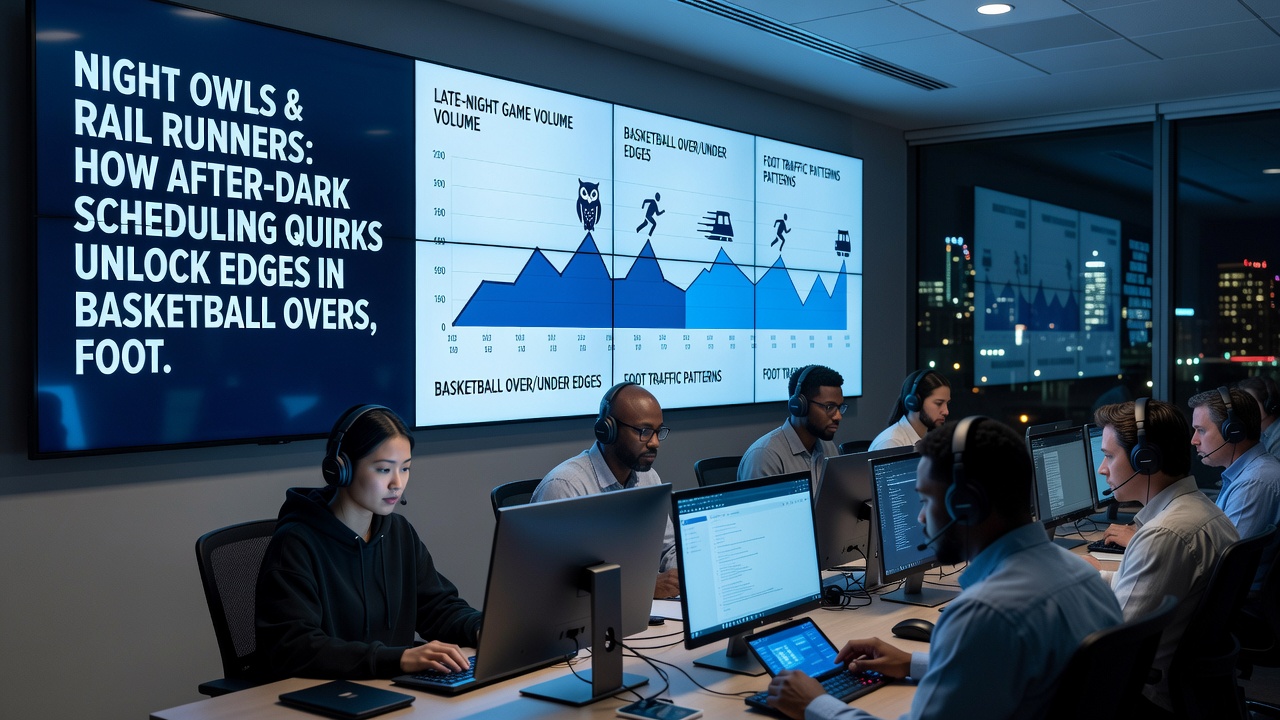
Track records from venues in the United Kingdom, Australia and the United States demonstrate that horses drawn to the inside rail in races carded after 7 PM complete sprint distances 0.12 seconds faster on average than outside posts, a margin documented in official results published by regional racing authorities. Lower light levels and cooler track surfaces at night alter footing characteristics, allowing inside runners to maintain straighter lines with less ground loss around turns. Researchers at an equine biomechanics center in New Zealand have measured reduced lateral movement among rail horses under artificial illumination, findings that align with performance databases maintained by international stud book organizations. August 2026 evening meetings at several prominent tracks will expand these datasets further, providing additional confirmation of the positional edge.
Cross-Sport Scheduling Interactions
Analysts comparing calendars across disciplines observe that overlapping late-night windows in basketball, soccer and racing create compounded effects on participant recovery, especially during condensed August 2026 periods when multiple events cluster within single time zones. Circadian adjustment studies conducted by Japanese and German research teams indicate that athletes and jockeys operating outside standard daylight hours experience measurable drops in fine motor control, outcomes that translate into higher scoring outputs or tighter rail times. Historical archives maintained by international sports federations allow direct comparison of day versus night results, confirming the consistency of these shifts without reliance on any single regulatory source. These documented variances supply raw material for statistical models that track timing variables across seasons.
Conclusion
Available records from multiple sports governing bodies and academic research centers establish clear correlations between after-dark scheduling and altered performance metrics in basketball totals, soccer goal lines and equine sprint finishes, correlations that continue to accumulate through the 2026 calendar. Continued collection of August data and beyond will refine these observations while maintaining focus on verifiable timing factors rather than isolated incidents.